

At a glance
- App category
- Sign language learning
- Industry
- EdTech
- Services
- Conversion rate optimization
- Channels
- in-app onboarding and paywall. No paid media in scope
- Period
- 2025 -
- Markets
- Worldwide, United States primarily
- Key results
- trial conversion rate +15% and ARPU +12%, from an onboarding and paywall redesign built on quantitative and qualitative research

The challenge
ASL Bloom teaches American Sign Language, and its onboarding was built like a language app's: here is what the product contains, here is how lessons work. The flow was missing the elements that decide whether a new user starts a trial, and the paywall never connected the features to the reason someone is learning ASL in the first place.
That reason turned out to matter more here than in most categories, which is what the research was for.
What we did
1. Evaluated the existing flow against what works in comparable apps. Three things were missing. There was no social proof, so a new user had nothing to go on but the app's own claims. The messaging described what the app offers rather than why it matters. And the paywall listed features without tying them to an outcome, whether that outcome is talking to a Deaf family member or using ASL professionally.
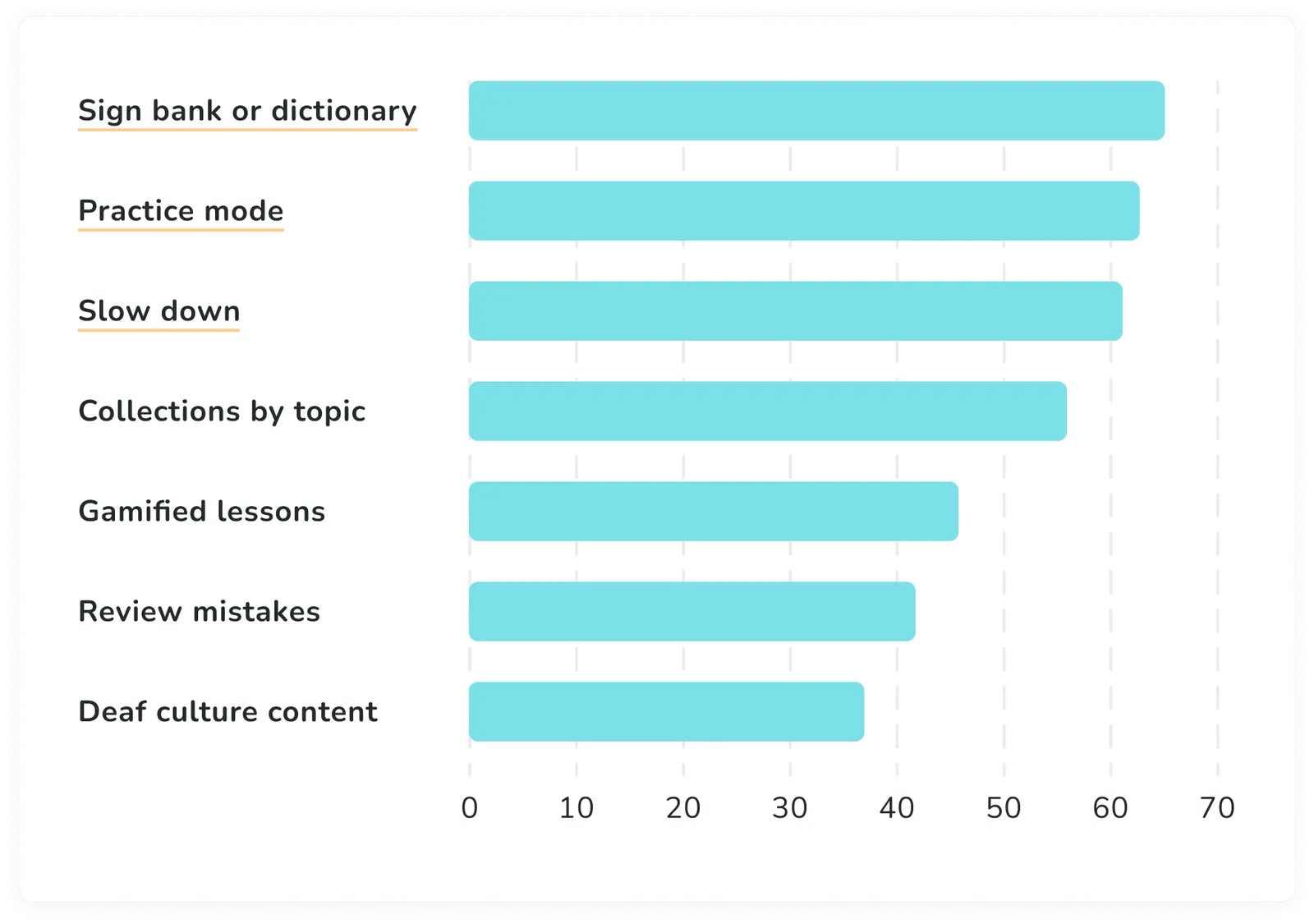
2. Ran a MaxDiff survey to find what users actually value. Three features separated clearly from the rest. That ranking is what the redesigned flow was built to lead with, instead of the features the team found most interesting to build.
3. Interviewed users, and the interviews changed the brief. Several findings would not have come out of any amount of behavioural data:
The teacher profiles screen was being skipped, and the people who did look at it were unsure whether the teachers were Deaf or what they contributed. A credibility asset was doing nothing.
Users wanted assurance that lessons are taught by qualified people, ideally Deaf educators, and that cultural nuance is represented accurately. In this category authenticity is not a nice-to-have, it is the product.
Many users saw using the app as a contribution to something larger: inclusivity for Deaf people, fewer communication barriers. They were not only buying a skill.
Interest in international reach kept coming up, as a signal that the material and the subject matter extend beyond one country.
Reasoning and learning: MaxDiff tells you which features to rank. Interviews tell you what the purchase means to the person making it. For a product bought partly out of values, the second one writes the copy.
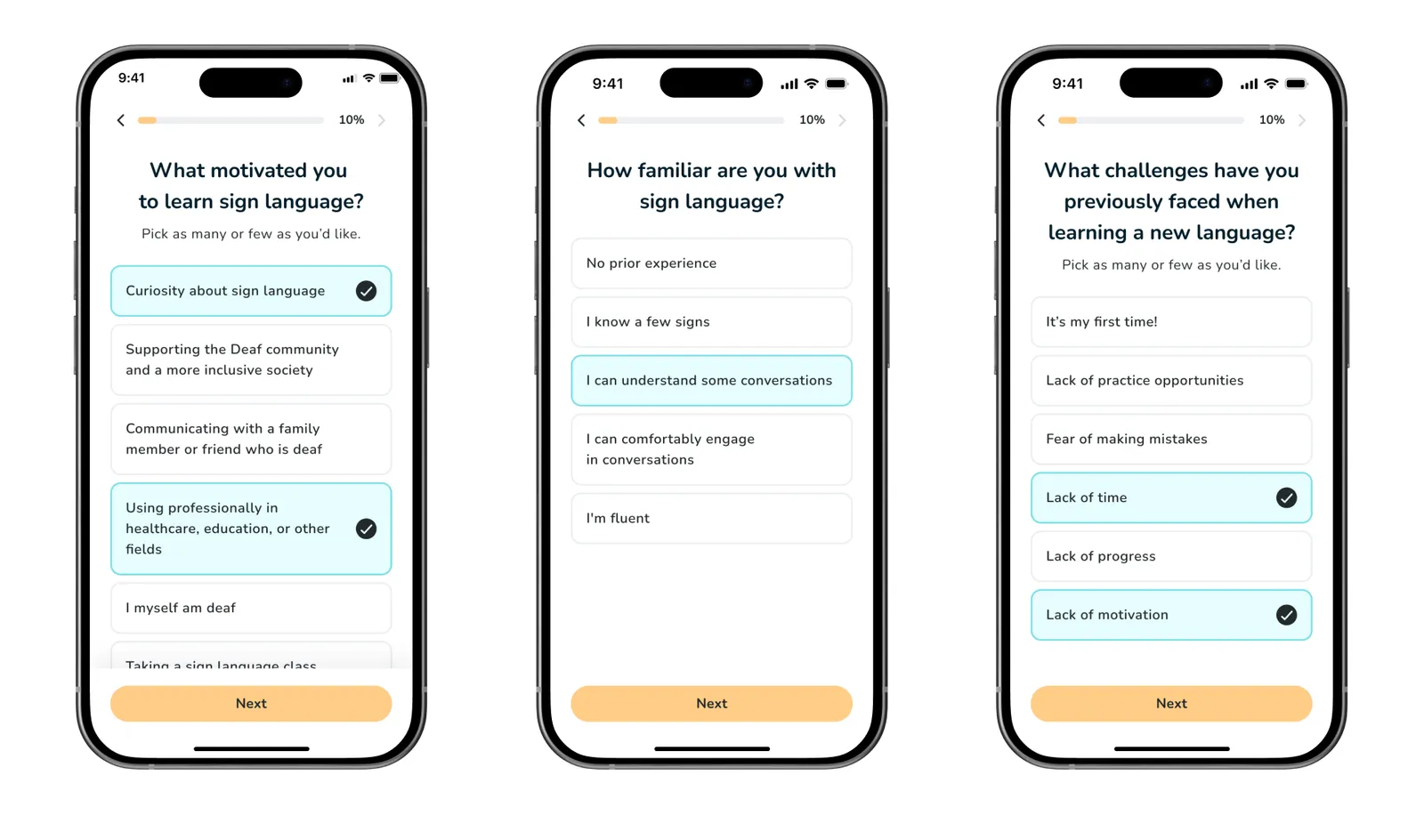
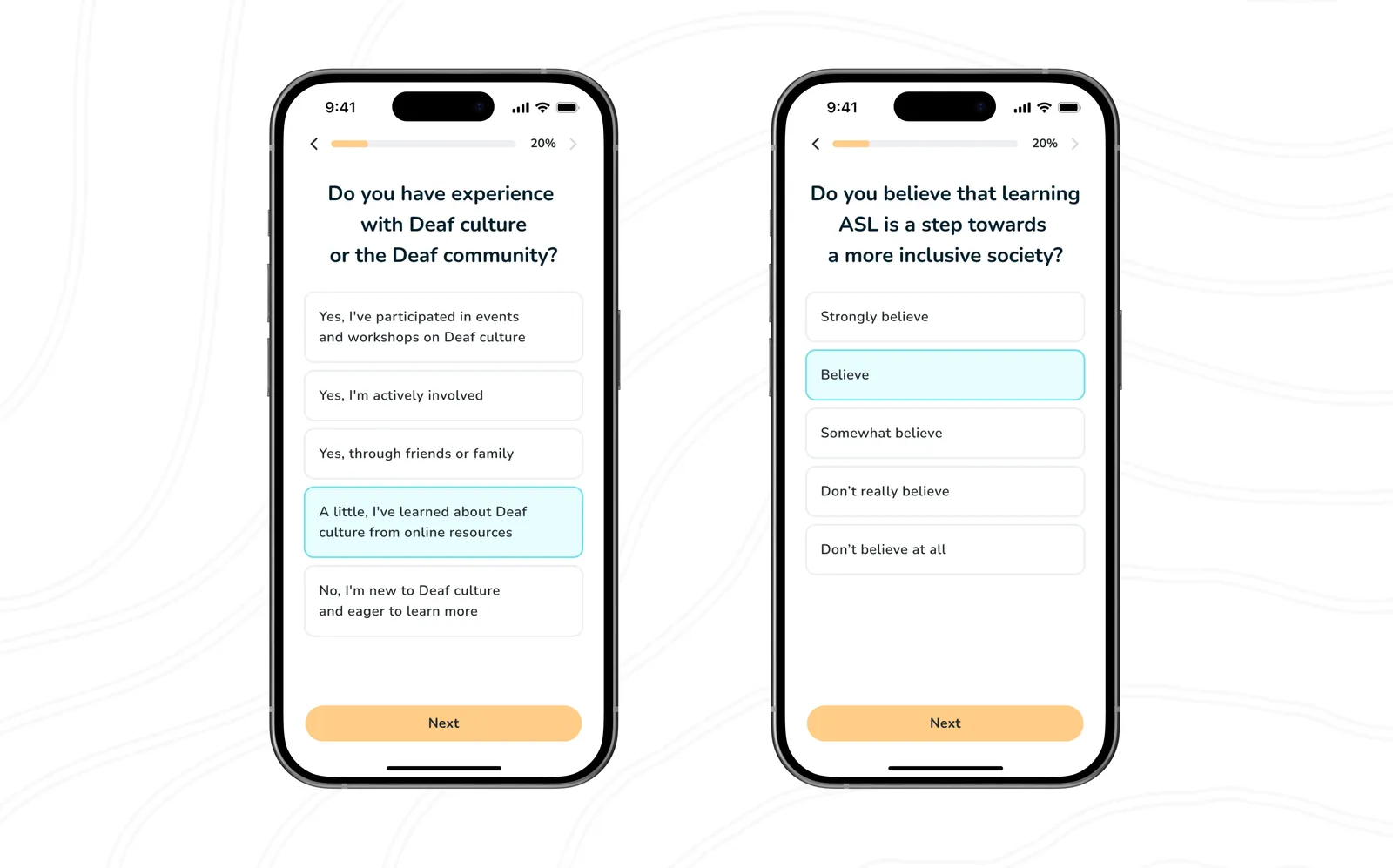
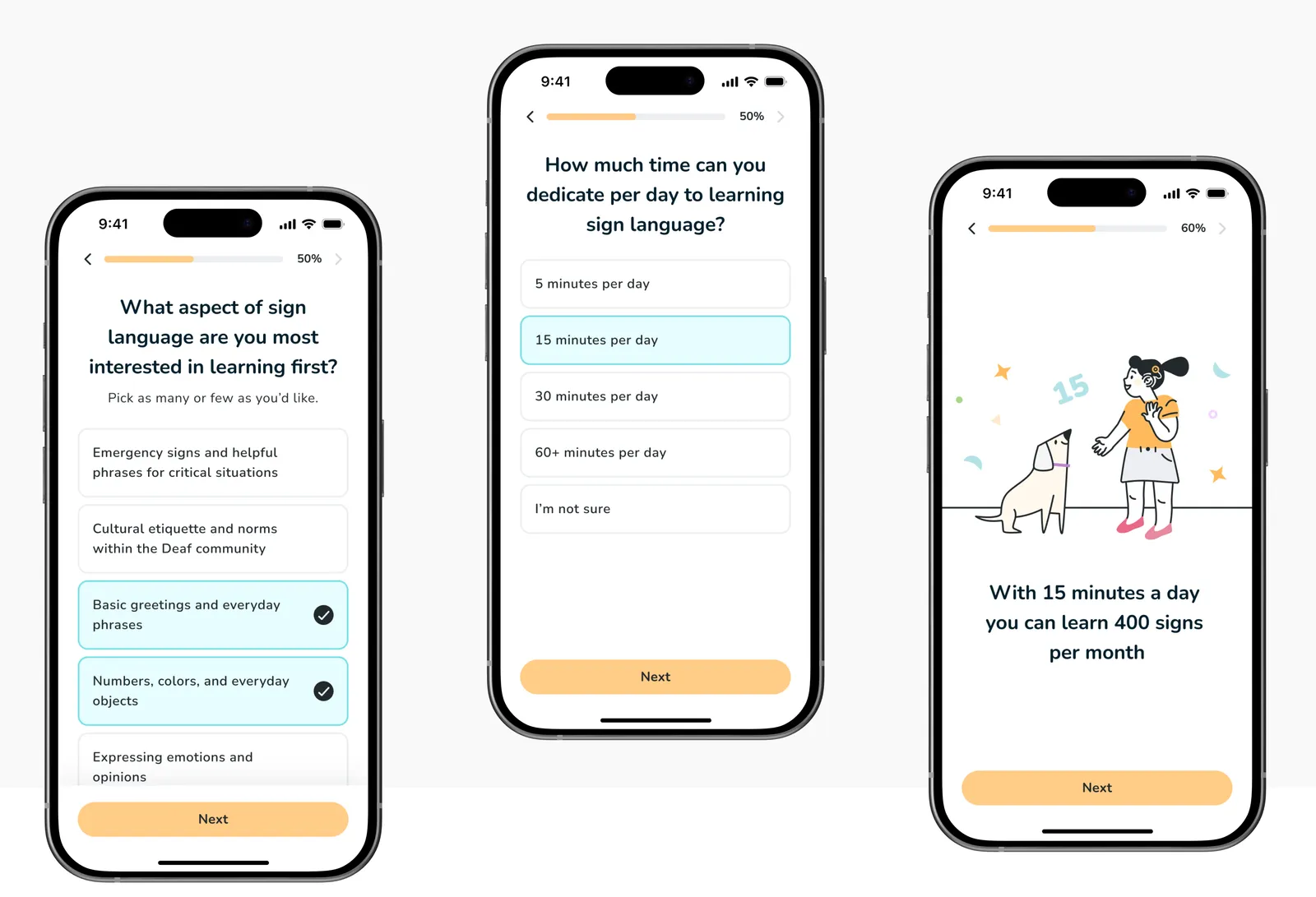
4. Rebuilt onboarding and the paywall around motivation and credibility. Benefits replaced feature descriptions, social proof was added where trust has to be established, the teacher credentials were made explicit rather than implied, and the paywall was reframed around the outcome the user came for.
Quiz changes/additions
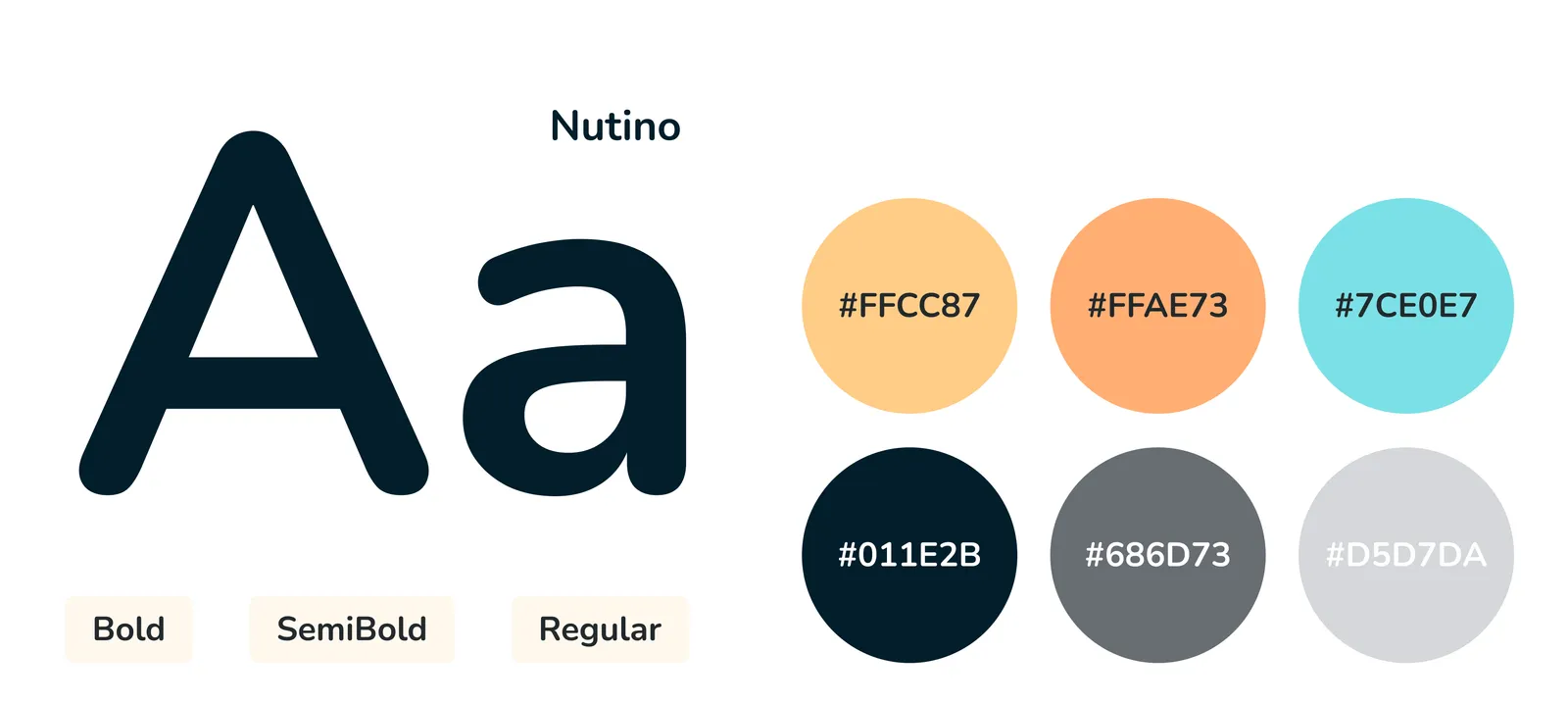
Nunito is a well balanced sans serif typeface superfamily
Results
Trial conversion rose 15% and ARPU rose 12%. The gains came from the activation layer: what the app says about itself before the ask, and what the paywall connects its features to.
+15%
Conversion Rate
+12%
ARPU
Key learnings
Credibility is a feature in categories where qualification matters. Teacher profiles were already in the app and doing nothing, because they did not answer the question users had about them.
When people buy for a reason beyond the skill, say so. A meaningful share of ASL Bloom's users were motivated by inclusivity. Copy that ignores that is leaving the strongest argument unsaid.
Use both kinds of research, for different jobs. MaxDiff ranked the features. The interviews explained the purchase. Either one alone would have produced a weaker redesign.
Conclusion
ASL Bloom was describing a curriculum to people who were buying a connection. Rebuilding onboarding and the paywall around why users learn ASL, and making the app's credibility explicit, lifted trial conversion 15% and ARPU 12%.
More on our conversion rate optimization and EdTech app marketing.