What is Customer Lifecycle Funnel?
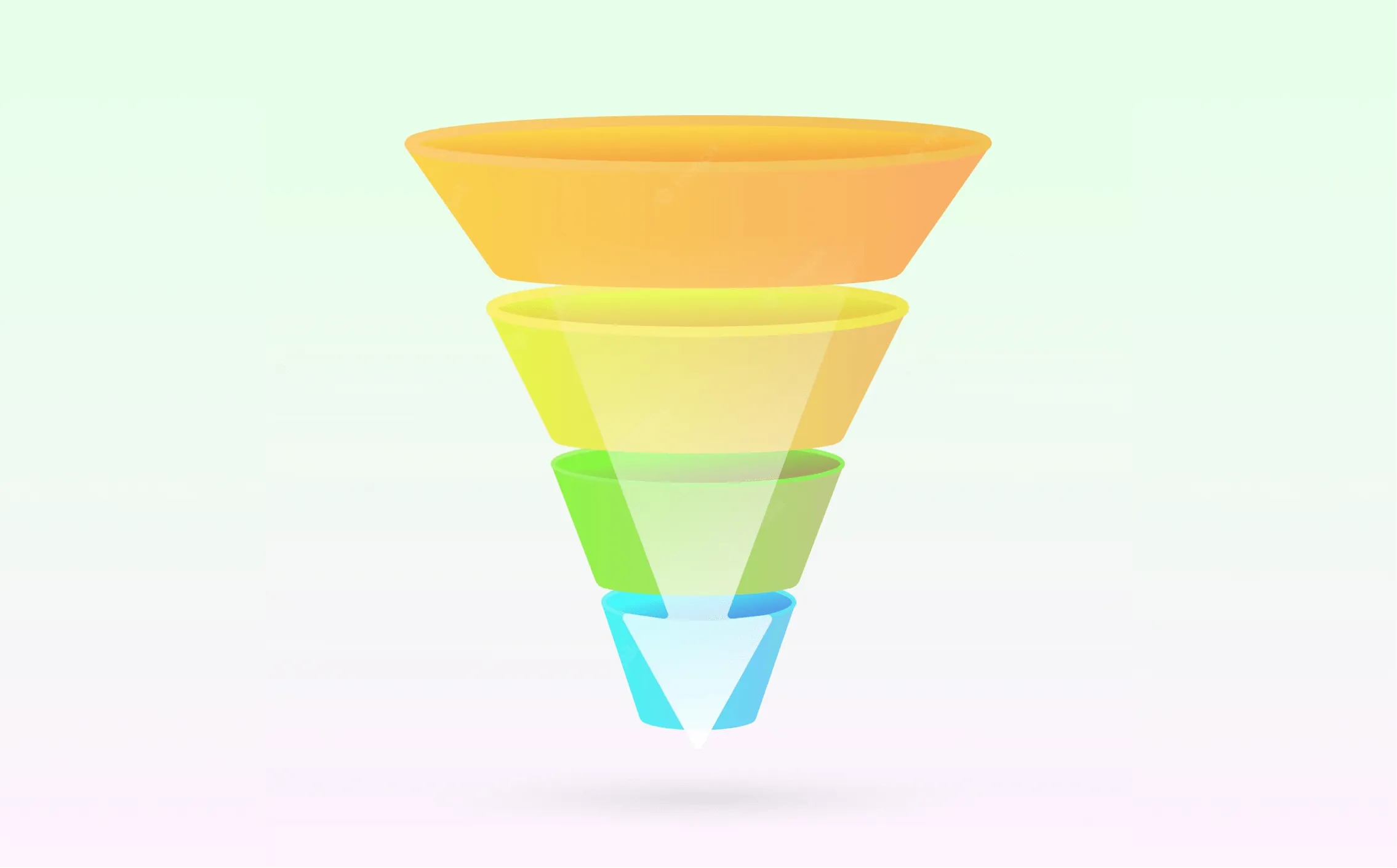
The customer lifecycle funnel is a marketing concept used to better understand a customer’s journey from becoming aware of a business’s product or service to becoming a loyal, repeat customer. In each stage, businesses can customize their strategies and campaigns to better understand their customers and keep them engaged. By tracking customer behavior, businesses can more accurately target their marketing efforts and create more successful campaigns. The Customer Lifecycle Funnel is a great tool to understand the customers and create tailored campaigns that will ultimately lead to more conversions, retention, and loyalty.
Signs Your Customer Lifecycle Funnel Needs Fixing
- Low User Acquisition and Retention Rates: One of the most obvious signs that your customer lifecycle needs fixing is if your user acquisition and retention rates are low. If your users are not downloading your app or returning to use it, it is likely that your app needs to be improved in order to make it more appealing and user-friendly.
- Poor App Store Performance: Another sign that your customer lifecycle funnel needs fixing is poor performance on the App Store. If your app is not being downloaded as much as you would like or not receiving the reviews or ratings that you would like, it may be time to look at how you can improve your app.
- High Churn Rates: If your users are leaving your app quickly and not returning, it may be a sign that you are in need of reengaging churned customers. If you are not engaging your users or providing them with an enjoyable experience, they are likely to leave your app quickly.
- Poor User Feedback: User feedback is one of the most important indicators of how successful your customer lifecycle funnel is. If your users are leaving negative reviews or giving poor feedback, it is likely that your app needs to be improved in order to make it more appealing and user-friendly.
- Low Conversion Rates: If your app is not converting users into paying customers, it is likely that your customer lifecycle funnel needs to be improved. You need to ensure that your app is providing users with an enjoyable experience and that it is easy to use in order to maximize conversions.
5 Steps to Fixing the Funnel
Stage 1. Discovery
The Discovery Stage of the lifecycle app the first step in the customer journey and is focused on introducing users to the app. The goal of the Discovery Stage is to provide users with a brief overview of the app, its features, and its purpose. This stage is also used to get users to download the app, as well as to start engaging with it. The Discovery Stage is often achieved through marketing campaigns, online advertisements, and social media posts. Additionally, the Discovery Stage helps to increase app downloads and brand awareness, as well as to create a positive first impression for users.
Organic App Marketing
Organic app marketing strategies such as SEO, social media, content marketing, and influencer marketing can help to increase visibility, drive downloads, and create a positive buzz about the app. SEO can help to optimize the app store page for discoverability, while social media and influencer marketing can be used to reach a larger audience and create an engaged user base. Content marketing can also be used to educate potential users about the features and benefits of the app, and to build trust in the product. All of these organic app marketing strategies can be used to successfully maximize downloads during the discovery stage.
Paid App Marketing
Paid app marketing during the discovery stage of the customer lifecycle funnel is an important step in gaining visibility and acquiring new users. Paid app marketing channels such as social media ads, search engine marketing, and display network ads can be used to reach potential users, along with targeting user demographics and interests. In addition, optimizing app store search results and using influencer marketing can help to maximize reach and engagement. Paid app marketing is a great way to get the word out about an app and acquire new users.
Combining Organic and Paid Efforts
Organic and paid app marketing efforts are both effective in the discovery stage customer lifecycle diagram for apps. Combining organic and paid efforts is the most effective way to reach potential customers. Organic app marketing efforts can include using content, SEO, and social media to bring people to the app store. Paid app marketing can include using paid advertising tools like Google Ads and App Store ads to drive awareness. Combining organic and paid efforts allows businesses to build a strong presence in the app store, reach a wide audience, and create more visibility for the app. This can help increase app downloads, downloads of associated content, and ultimately lead to more customers.
Organic Discovery Tactics
Organic discovery starts in the store. Keyword research and metadata decide which searches you appear in, category and competitor positioning decide how you look next to the alternatives, and the listing elements (icon, screenshots, ratings) decide whether an impression becomes a visit. Make sure the icon is clear, use contextual keywords with the dominant one in the app name, keep the app updated, and keep a steady flow of recent five-star reviews. Our app store optimization service covers this layer, and best practices for app metadata is the place to start with the text.
Paid Discovery Tactics
Which paid channel suits you depends on how mature the app is. Intent channels such as Apple Ads usually come before demand-creation channels, because they capture people who are already searching rather than asking the ad to create the want. Social, Q&A and app install ads then widen the reach once the listing converts. See our mobile user acquisition strategy guide for how to sequence them.
A Note on Measuring Discovery
Discovery is where attribution is weakest after ATT, so judge it on cohort behaviour rather than on last-touch.
Stage 2. Consideration
At the consideration stage, potential customers are typically researching and comparing various apps to find the one that best meets their needs. This is where they are actively searching for information and answers to their questions, such as pricing, features, customer reviews, and technical support. Customers at this stage have already identified the need for an app and are looking for the right one to purchase. Marketers should focus on providing detailed and accurate information about the app to potential customers, as well as providing helpful customer service and support. Utilizing targeted advertising campaigns, such as social media and search engine optimization, can also help increase awareness of the app and drive more users to consider it at this stage.
Tactics Used in the Consideration Stage
At the consideration stage of the customer cycle, tactics used are aimed at increasing customer engagement and building brand loyalty.
- Social Media Engagement: Creating content such as videos, podcasts, and blog posts can help to generate interest in an app and create a buzz.
- Targeted Advertising: App developers can use a range of platforms to deliver relevant and timely ads to potential customers who are likely to be interested in their product.
- App Store Optimization (ASO): This includes optimizing titles, descriptions, keywords, and screenshots.
- User Reviews and Ratings: Positive reviews and ratings can also help an app to stand out from the competition.
- Referral and Incentive Programmes: This could be in the form of a referral code that customers can share with their friends or a reward for downloading and using the app.
More Consideration Tactics
Know which listing elements carry the most weight at this stage: the app page itself, with press reviews or quotes from enthusiastic users and an optional promo video, and the ratings and reviews. Review volume and recency both affect install rate, and getting your rating to at least four stars makes your marketing budget go further. Direct satisfied users to the store to leave a review, and route dissatisfied ones to your team to resolve the problem. Custom product pages matter when paid traffic arrives with an expectation the default listing does not match.
Stage 3. Conversion
The conversion stage of the Customer Lifecycle Funnel for apps is when the user has been exposed to the app and is now ready to take action. This is the most important stage of the funnel, as it is the point at which the user makes the decision to purchase and download the app. At this stage, it is critical for the app developer to ensure that the user has a positive experience with the app and that it meets all of their expectations. This is done by providing helpful tutorials, easy navigation, and attractive visuals. It is also important to focus on providing incentives and rewards, such as discounts, freebies, and exclusive content. These incentives will help to encourage the user to make the commitment to download the app and become an active user.
Tactics Used in the Conversion Stage
- Retargeting: Retargeting is a great way to re-engage users who have already interacted with your app. This can be done through email, display ads, or even an in-app message.
- Push Notifications: They are a great way to keep customers in the loop about what’s happening with your app and encourage them to use it more often.
- Gamification: Gamification is a great way to motivate customers to use your app more often.
- Referrals: You can create referral programs that reward customers for referring their friends and family to your app. This can help you reach a larger audience and increase the number of customers using your app.
Conversion Into In-App Purchase
Price the purchase against its perceived value at the moment of need, and place the offer where the need occurs rather than where it is convenient to show. Make it simple for users to start using the app, so the flow from first download to first real use is short.
Conversion Into Subscription
Plan structure, billing period emphasis and where the paywall appears all shape conversion, and an intuitive UX and design sit underneath all three, so marketers need to work closely with developers and UI designers. See mobile paywall design.
Conversion Into Free Trial
A trial helps in some apps and manufactures users who never pay in others, and which one you have depends entirely on trial-to-paid conversion. Dig into the data: compare date periods, analyze user properties and see where both converted and lost users end up. Once you can pinpoint the conversion problem, the fix gets much easier.
Stage 4. Customer Relationships
This stage focuses on maintaining an ongoing and positive relationship with existing customers by providing them with important information and updates about the app, offering customer support, and engaging in customer feedback and surveys. By engaging with customers in this way, app developers can learn more about their customer base, gather valuable insights, and work to improve the overall experience for their customers. This helps to ensure customer loyalty and retention, which is essential for the long-term success of any app.
Tactics Used in the Customer Relationship Stage
- Identify and Understand Your Customers: Identify who your customers are and what their needs and desires are. Understand their behaviors, preferences, and motivations. This helps you to create customized experiences for them and build stronger relationships.
- Establish a Relationship: Establish a relationship with your customers by engaging with them via social media and email. This helps to create an emotional connection and loyalty.
- Ask for and Respond to Feedback: Ask your customers for their feedback and respond to their inquiries in a timely and professional manner. This helps to build trust and loyalty.
- Keep Customers Informed: Keep customers informed of changes to the app, new features, and updates. This helps to keep them engaged and informed.
- Measure and Analyze Performance: Measure and analyze customer engagement and usage of the app to understand their behaviors and how to better serve them.
- Personalize the Experience: Personalize the customer experience by learning their behaviors and preferences and creating tailored experiences for them. This helps to create an emotional connection and loyalty.
More Customer Relationship Tactics
Trigger lifecycle messaging by behaviour rather than by schedule, and find the moment to reach out without interrupting the user, for example after a successful interaction or when you can ease a frustration. Treat in-app support as a churn intercept: a user who gets help in the moment is less likely to leave. Segment users by what they actually did rather than the segment assigned at signup.
Stage 5. Retention
The retention stage of the customer lifecycle funnel is all about keeping users engaged and encouraging them to become loyal customers. Through effective customer segmentation, retention strategies, and rewards, app developers can encourage users to keep using the app on a regular basis. Additionally, using in-app notifications, personalized content, and other engagement tactics can help to keep users engaged and coming back for more. By focusing on user retention, app developers can ensure that the customer lifecycle funnel is complete and that their users are coming back to the app time and time again.
Tactics Used in the Retention Stage
- Offer discounts and loyalty rewards: By offering users a discount on their next purchase, or a loyalty reward for sticking with your app, you can show them that you value their loyalty and encourage them to keep using your app.
- Personalize user experience: Personalization is key to customer retention. By creating a personalized user experience, you can make your customers feel valued and appreciated. This could include offering tailored content, customizing the user interface, or sending personalized emails.
- Be proactive: Be proactive in interacting with your customers and responding to their needs. This could mean sending them helpful tips or offering customer service if they have a problem with your app.
- Utilize push notifications: Push notifications are a great way to keep your customers informed and engaged with your app. These notifications can alert them to new features, promotions, or content that you’re offering.
- Create a referral program: Referral programs are a great way to increase customer loyalty and retention. By offering rewards for referrals, you can encourage existing customers to spread the word about your app and get others to join.
More Retention Tactics
Track the retention metrics that matter: retention by cohort at day 1, day 7 and day 30, churn rate, and how often retained users come back. Use push as a service rather than a cadence, sending what helps the user at that moment instead of what fits a calendar. Keep retaining a user separate from winning back one who has already lapsed, since they are different problems with different tactics. See retention and re-engagement strategies for the second.
FAQ
What are the stages of a mobile app funnel?
Discovery, consideration, conversion, customer relationship and retention. The useful part is not the names but knowing which stage your drop-off is in, because the fix for a discovery problem looks nothing like the fix for a conversion problem and teams regularly apply one to the other.
How do you know which funnel stage is broken?
Compare your rates at each transition against your own history rather than against benchmarks. The transition with the largest decline, not the lowest absolute rate, is the one to work on. A 2% conversion to paid may be perfectly normal while a drop from 40% to 25% at install is not.
What is the difference between a marketing funnel and a lifecycle funnel?
A marketing funnel usually ends at the purchase. A lifecycle funnel continues through the relationship and retention, which for a subscription app is where most of the revenue is. Treating the purchase as the finish line is the structural reason many apps acquire well and earn badly.